Industrial processes often depend on how well materials are mixed. Whether it’s blending chemicals, preparing food products, or processing pharmaceuticals, the quality of mixing can directly impact the final result. This is where industrial mixers play a crucial role.
Modern industrial mixers are no longer complex machines that require extensive training. Today’s designs focus on simplicity, efficiency, and consistent performance. In this article, we’ll explore how these machines are evolving and why they are essential across different industries.
What Are Industrial Mixers?
Industrial mixers are machines designed to combine, blend, or homogenize materials. These materials can be liquids, powders, or solids, depending on the application.
For example:
- In the food industry, mixers blend ingredients like flour, sugar, and liquids.
- In pharmaceuticals, they ensure uniform distribution of active ingredients.
- In construction, mixers combine cement, sand, and water.
The goal is always the same: achieve a consistent mixture with minimal effort and maximum efficiency.
Why Ease of Use Matters in Industrial Mixers
In the past, operating industrial mixers often required specialized skills. Complicated controls and maintenance procedures made them less user-friendly. Today, manufacturers focus on intuitive designs that reduce complexity.
Simple Controls
Modern mixers often feature digital panels or touchscreen interfaces. These allow operators to:
- Adjust speed easily
- Set mixing time
- Monitor performance in real time
This reduces errors and improves productivity.
Quick Setup and Operation
Many industrial mixers are designed for fast setup. Operators can start the mixing process with minimal preparation. This is especially helpful in industries where time is critical.
Easy Cleaning and Maintenance
Hygiene is essential in industries like food and pharmaceuticals. New designs include:
- Smooth surfaces
- Removable parts
- Automated cleaning systems
These features make cleaning faster and reduce downtime.
Key Features That Improve Performance
Performance is just as important as ease of use. Modern industrial mixers include advanced features that enhance efficiency and output quality.
High-Efficiency Motors
Energy-efficient motors help reduce power consumption while maintaining strong performance. This is important for long-term operations where energy use can be significant.
Variable Speed Control
Different materials require different mixing speeds. Variable speed control allows operators to:
- Mix delicate materials gently
- Blend thick substances effectively
This flexibility ensures better results for various applications.
Uniform Mixing Technology
Advanced blade and agitator designs ensure even mixing. This prevents issues like:
- Uneven texture
- Material separation
- Inconsistent quality
Uniform mixing is especially critical in industries like pharmaceuticals, where precision is essential.
Durable Construction
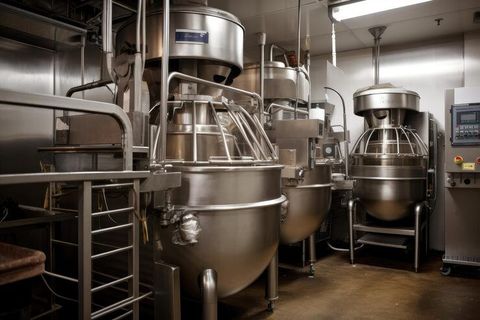
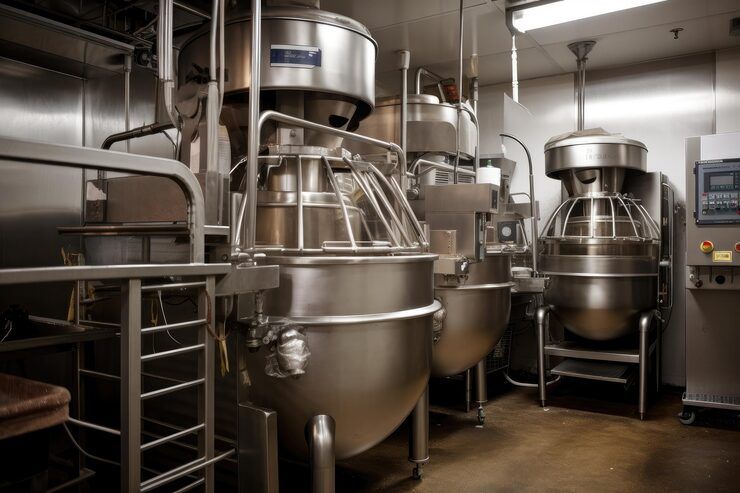
Industrial mixers are built to handle heavy workloads. Materials like stainless steel provide:
- Strength and durability
- Resistance to corrosion
- Long operational life
This makes them reliable for continuous use.
Types of Industrial Mixers
Different industries require different types of mixers. Understanding these types helps in choosing the right equipment.
1. Ribbon Mixers
Ribbon mixers are commonly used for blending powders and dry materials. They use a helical ribbon blade to move materials in opposite directions, ensuring even mixing.
Example: Mixing spices or powdered chemicals.
2. Paddle Mixers
Paddle mixers use flat blades to gently mix materials. They are ideal for fragile substances that require careful handling.
Example: Mixing food ingredients without damaging their texture.
3. High-Shear Mixers
These mixers are designed for intensive mixing. They break down particles and create fine, uniform blends.
Example: Emulsifying liquids in cosmetics or pharmaceuticals.
4. Planetary Mixers
Planetary mixers have rotating blades that move in multiple directions. This ensures thorough mixing of thick materials.
Example: Preparing dough or heavy pastes.
5. Static Mixers
Static mixers do not have moving parts. Instead, they use fixed elements inside a pipe to mix fluids as they flow through.
Example: Mixing liquids in chemical processing.
Real-Life Applications of Industrial Mixers
Industrial mixers are used in a wide range of industries. Let’s look at some practical examples.
Food and Beverage Industry
In food production, consistency is key. Industrial mixers ensure that every batch has the same taste and texture.
Example:
A bakery uses a planetary mixer to prepare dough. The mixer ensures that ingredients are evenly distributed, resulting in consistent quality across all products.
Pharmaceutical Industry
Precision is critical in pharmaceuticals. Even a small variation can affect product effectiveness.
Example:
A high-shear mixer ensures that active ingredients are evenly distributed in a liquid medicine, maintaining consistent dosage.
Chemical Industry
Chemical processes often require mixing different substances safely and efficiently.
Example:
A static mixer blends two liquids in a pipeline without requiring additional energy, improving efficiency.
Construction Industry
Mixing materials like cement and concrete requires powerful machines.
Example:
A heavy-duty mixer ensures that cement, sand, and water are blended evenly, improving the strength of the final structure.
Benefits of Using Modern Industrial Mixers
- Improved Productivity - Easy-to-use controls and efficient designs reduce the time required for mixing. This allows businesses to complete more tasks in less time.
- Consistent Quality - Advanced mixing technology ensures uniform results. This reduces waste and improves product reliability.
- Energy Efficiency - Modern mixers are designed to use less energy while maintaining high performance. This helps reduce operational costs over time.
- Reduced Downtime - Durable construction and easy maintenance minimize breakdowns. This ensures smooth and continuous operations.
- Enhanced Safety - User-friendly designs and safety features protect operators during use. This is especially important in industries handling hazardous materials.
Choosing the Right Industrial Mixer
Selecting the right mixer depends on several factors. Here are some key points to consider:
Material Type
Different materials require different mixing methods. For example:
- Powders need ribbon or paddle mixers
- Liquids may require high-shear or static mixers
Batch Size
The size of the mixer should match the production requirements. Larger operations need high-capacity machines.
Mixing Speed
Some materials require slow mixing, while others need high-speed blending. Choosing a mixer with adjustable speed is beneficial.
Cleaning Requirements
Industries like food and pharmaceuticals require strict hygiene. Mixers with easy cleaning features are ideal.
Durability
For heavy-duty applications, a robust mixer with strong construction is essential.
Future Trends in Industrial Mixers
Technology continues to improve industrial mixers. Here are some trends shaping the future:
Automation and Smart Controls
Many mixers now include automation features. These allow:
- Remote monitoring
- Automatic adjustments
- Data tracking
This improves efficiency and reduces manual intervention.
Eco-Friendly Designs
Manufacturers are focusing on energy-efficient designs that reduce environmental impact.
Compact and Space-Saving Models
Modern mixers are designed to fit into smaller spaces without compromising performance.
Integration with Production Systems
Industrial mixers are increasingly integrated with other machines. This creates a seamless production process.
Tips for Better Mixing Performance
- Always use the correct speed for the material
- Avoid overloading the mixer
- Clean the machine regularly
- Inspect components for wear and tear
- Follow proper operating guidelines
These practices help maintain performance and extend the life of the equipment.
Conclusion
Industrial mixers have become essential tools across many industries. With modern designs focused on ease of use and better performance, they help improve efficiency, consistency, and safety.
From simple controls to advanced mixing technology, today’s mixers are built to meet the demands of modern production. Whether it’s food processing, pharmaceuticals, or construction, choosing the right industrial mixer can make a significant difference in overall results.
By understanding their features, types, and applications, businesses can make informed decisions and achieve better outcomes in their operations.