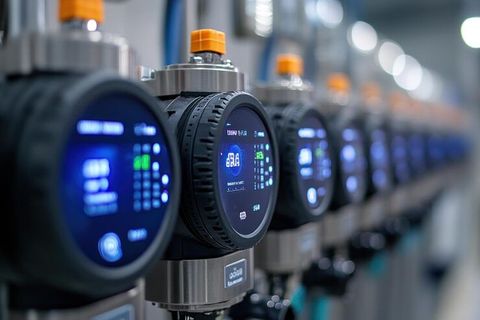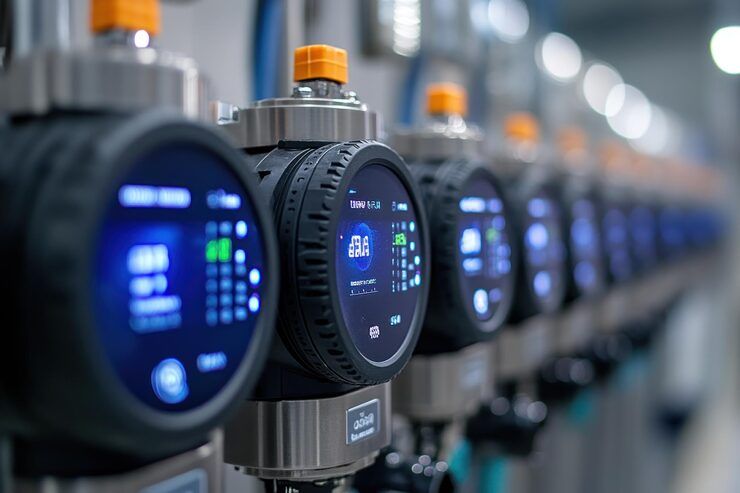
Industrial sensors are crucial for optimizing operations and ensuring safety across various sectors, from manufacturing to automation. These devices play a key role in monitoring, measuring, and controlling processes, providing real-time data that helps industries make informed decisions.
Whether it’s detecting temperature changes, measuring pressure, or monitoring motion, industrial sensors ensure that systems run smoothly with better accuracy and performance. In this article, we’ll explore the different types of industrial sensors, how they work, and why they are essential for achieving greater precision and reliability in industrial settings.
What Are Industrial Sensors?
Industrial sensors are devices that detect and measure physical parameters such as temperature, pressure, humidity, speed, level, or motion. These sensors convert physical data into electrical signals that can be processed, analyzed, and used to trigger actions within industrial systems.
These sensors are integrated into machines and systems to monitor their performance, detect abnormalities, and ensure everything runs at optimal efficiency. The data gathered by sensors allows operators to make quick decisions, improve safety, and reduce downtime.
Why Are Industrial Sensors Important?
Industrial sensors contribute significantly to improving operational efficiency, safety, and cost-effectiveness. Let’s dive into the key benefits of using industrial sensors in industrial settings.
1. Enhanced Accuracy
Sensors provide precise and reliable data in real-time, ensuring that operations run smoothly without errors. For example, in temperature-sensitive processes like food production or pharmaceuticals, sensors provide accurate measurements that are crucial for product quality and compliance with regulations.
2. Improved Efficiency
Sensors help automate tasks by providing continuous feedback, reducing the need for manual intervention. In industries like manufacturing, sensors can monitor equipment performance, predict failures, and optimize production schedules, leading to increased overall efficiency.
3. Predictive Maintenance
One of the key advantages of industrial sensors is their ability to predict when equipment is likely to fail. By constantly monitoring variables such as temperature, vibration, and pressure, sensors can identify anomalies before they lead to breakdowns. This allows businesses to perform maintenance only when necessary, rather than relying on a fixed schedule, saving both time and money.
4. Safety and Compliance
Safety is a top priority in industrial environments, and sensors help ensure safe operation by continuously monitoring conditions that could lead to accidents or hazards. For example, gas leak detectors or temperature sensors can provide early warnings of dangerous conditions, helping prevent accidents.
5. Data-Driven Decision Making
With the real-time data provided by industrial sensors, businesses can make data-driven decisions, whether it’s adjusting production processes, reducing waste, or improving energy efficiency. This information can be used to streamline operations and improve profitability.
Types of Industrial Sensors
Industrial sensors come in a wide range of types, each designed to measure specific physical properties. Below are some of the most commonly used types of industrial sensors and how they work:
1. Temperature Sensors
Temperature sensors measure the temperature of a system or environment. Common examples include thermocouples, resistance temperature detectors (RTDs), and infrared sensors. These sensors are essential in industries where temperature control is critical, such as chemical processing, food manufacturing, and HVAC systems.
For example, a temperature sensor in a furnace can detect when the temperature rises beyond a safe threshold, triggering a cooling system or shutting down the furnace to prevent damage.
2. Pressure Sensors
Pressure sensors monitor the force applied to a surface or the pressure within a system, such as a hydraulic or pneumatic system. These sensors are commonly used in industries like oil and gas, automotive, and aerospace.
A pressure sensor in a pipeline can alert operators if the pressure exceeds safe levels, preventing potential system failures or leaks.
3. Proximity Sensors
Proximity sensors detect the presence or absence of an object without making physical contact. These sensors use different technologies, such as inductive, capacitive, or ultrasonic, to detect nearby objects. Proximity sensors are used in automation and robotics to ensure accurate positioning of parts and components.
In manufacturing, proximity sensors can help automate assembly lines by detecting the exact position of components, reducing human error.
4. Level Sensors
Level sensors measure the height or amount of material within a container or system, such as liquid or bulk solids. These sensors are commonly used in industries like water treatment, agriculture, and mining.
For example, a level sensor in a tank can detect when the liquid level is too high or too low, triggering an automatic fill or drain action to maintain optimal levels.
5. Motion Sensors
Motion sensors detect movement or changes in position. These sensors are often used in security systems and automation but are also found in industrial settings to monitor machinery or track inventory.
In warehouses, motion sensors can help track the movement of goods, providing accurate inventory counts and preventing theft.
6. Humidity Sensors
Humidity sensors measure the moisture level in the air or in a specific environment. These sensors are critical in industries like agriculture, food storage, and pharmaceuticals, where precise humidity control is required.
For example, in a climate-controlled warehouse storing perishable goods, a humidity sensor helps maintain the ideal conditions to prevent spoilage.
Key Considerations for Choosing the Right Industrial Sensors
Selecting the appropriate industrial sensors is crucial for ensuring reliable and accurate performance in your operations. Here are some factors to consider when choosing industrial sensors for your business:
1. Environmental Conditions
Consider the environment in which the sensor will operate. Factors such as temperature extremes, exposure to chemicals, humidity levels, and vibration can impact the performance and durability of sensors. For example, in harsh environments like offshore oil rigs, sensors must be designed to withstand corrosion and high pressures.
2. Accuracy and Sensitivity
The level of accuracy and sensitivity required depends on the specific application. Some industries, such as pharmaceuticals or food processing, demand highly accurate sensors to comply with regulations and ensure product quality. In these cases, it’s essential to select sensors that offer precise measurements within the desired range.
3. Integration with Existing Systems
When choosing sensors, ensure they can be easily integrated with your existing systems and machinery. Sensors that offer digital outputs or are compatible with industrial automation systems (like SCADA or PLCs) will make integration smoother and allow for better data management.
4. Reliability and Durability
Reliability is critical for industrial sensors since downtime due to sensor failure can lead to costly disruptions. Look for sensors that are known for their durability and longevity, especially in industries where equipment is subject to frequent use or harsh conditions.
5. Cost and Budget
While cost should not be the only consideration, it’s essential to choose sensors that fit within your budget while still meeting your performance requirements. Remember, the right sensor can save money by preventing maintenance issues, optimizing efficiency, and improving safety.
Real-Life Applications of Industrial Sensors
Let’s take a closer look at how industrial sensors are applied in various industries to improve accuracy and performance.
1. Manufacturing
In manufacturing, sensors play a critical role in automating production lines and ensuring consistent product quality. For example, temperature sensors monitor furnace temperatures, while proximity sensors ensure parts are correctly positioned during assembly.
2. Oil and Gas
In the oil and gas industry, pressure and temperature sensors monitor pipeline integrity, preventing leaks or explosions. These sensors provide real-time data that help operators manage potential risks, reduce downtime, and enhance safety in hazardous environments.
3. Agriculture
Sensors in agriculture help optimize irrigation systems by measuring soil moisture levels. Humidity sensors also ensure that greenhouses maintain the ideal conditions for plant growth, leading to better yields and more sustainable farming practices.
4. Healthcare
In healthcare, industrial sensors are used in medical devices to monitor patient vitals, such as heart rate, temperature, and oxygen levels. These sensors help improve patient care by providing continuous monitoring and early detection of issues.
Conclusion
Industrial sensors are a vital component of modern industrial operations. They provide real-time data that improves accuracy, enhances performance, and ensures the safety and reliability of systems. From temperature and pressure sensors to motion and proximity sensors, each type plays a crucial role in optimizing processes and reducing risks.
By selecting the right sensors for your specific needs and considering factors like environmental conditions, accuracy, and reliability, businesses can unlock the full potential of their industrial operations. Embracing these technologies not only boosts efficiency but also helps in making data-driven decisions that improve overall productivity and cost-effectiveness in the long run.