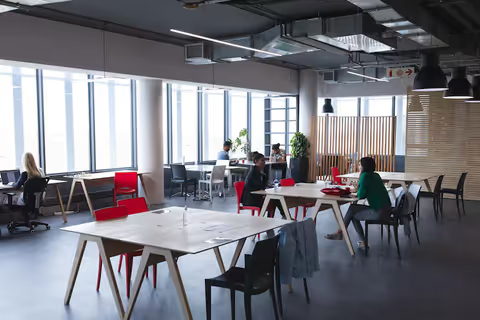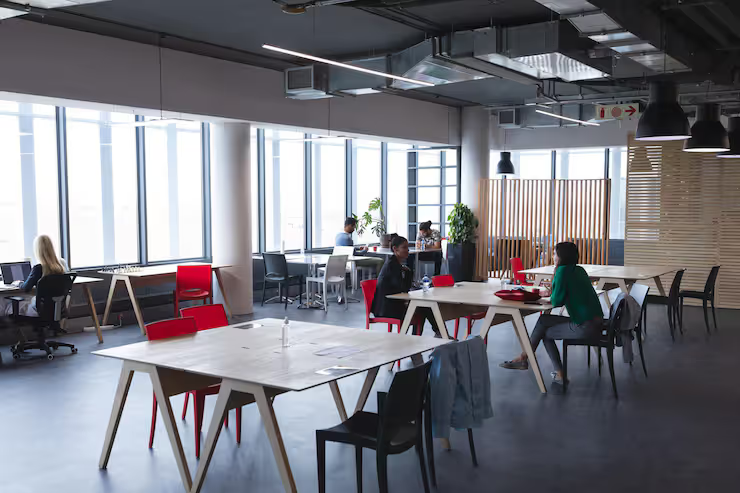
In today’s flexible work culture, co working spaces have emerged as a popular choice for freelancers, remote employees, and small teams. These shared work environments combine professional infrastructure with a sense of community, making them ideal for boosting creativity and collaboration.
However, simply working in a co working space does not automatically guarantee productivity. Understanding how to optimize your environment and workflow is crucial. This guide offers insights and practical tips to help you make the most of co working spaces.
What Are Co Working Spaces?
Co working spaces are shared office environments where individuals or small groups work independently while benefiting from shared resources. These spaces typically include:
- Desks and workstations
- Meeting rooms and conference facilities
- High-speed internet and printing services
- Break areas and communal lounges
Unlike traditional offices, co working spaces are designed to foster collaboration while offering the flexibility that modern professionals need.
Why Co Working Spaces Are Popular
Co working spaces have grown in popularity due to their unique combination of flexibility, community, and resources:
- Flexibility: Work on your schedule without the constraints of a traditional office.
- Networking Opportunities: Meet professionals from various fields, opening doors to collaboration.
- Professional Environment: Avoid distractions common in home offices or cafés.
- Inspiration and Motivation: Being around driven individuals can enhance focus and creativity.
For example, a freelance writer working from home might struggle with motivation, but in a co working space, the presence of other focused professionals can boost productivity naturally.
Tips to Improve Productivity in Co Working Spaces
While co working spaces offer the right environment, your habits determine how productive you can be. Here are practical tips to maximize efficiency and focus.
1. Pick the Right Spot
Choosing a suitable workspace is critical for concentration:
- Near natural light: Sunlight improves mood and alertness.
- Away from distractions: Avoid areas near coffee stations or entrances if you need quiet focus.
- Close to power outlets: Convenient access ensures uninterrupted work.
Example: A developer coding on a project might select a quiet corner with natural light and minimal foot traffic to maintain concentration.
2. Establish Work Boundaries
Shared spaces can be social, which sometimes leads to interruptions:
- Use headphones to signal focus time.
- Communicate “quiet hours” with nearby colleagues.
- Set clear goals for deep work periods.
3. Organize Your Workspace
Even in a shared environment, a well-organized setup helps maintain focus:
- Keep your desk clutter-free.
- Arrange your digital workspace with necessary apps and files readily available.
- Use a notebook or planner to track daily tasks.
Example: A marketing consultant can keep all client briefs and project timelines in one digital folder to avoid constant searching.
4. Leverage Networking Opportunities
Co working spaces are not just about individual work—they are also about connection:
- Attend events or workshops hosted within the space.
- Engage with professionals during breaks.
- Share insights and learn from others in different industries.
Example: A graphic designer might meet a startup founder looking for design expertise, leading to a mutually beneficial collaboration.
5. Manage Noise Levels
Noise is one of the biggest productivity killers in shared spaces:
- Use noise-cancelling headphones or earplugs.
- Identify quieter zones for tasks requiring intense focus.
- Keep phone calls or conversations brief and discreet.
6. Schedule Regular Breaks
Taking short breaks helps maintain mental clarity and prevents burnout:
- Stretch, walk, or grab a beverage during intervals.
- Use communal spaces for informal social interaction.
- Avoid overworking to keep energy levels high.
Example: A 10-minute stroll during a creative block can refresh your mind and spark new ideas for ongoing projects.
7. Personalize Your Space
Small personal touches make shared workstations more comfortable:
- Add a plant or small photo.
- Keep personal stationery organized.
- Use ergonomic accessories like laptop stands or cushions.
These small adjustments can significantly improve comfort and focus during long work sessions.
Smart Strategies for Long-Term Productivity
1. Plan Your Workday
- Schedule specific times for deep focus, meetings, and casual networking.
- Use calendar apps to block out distraction-free work periods.
2. Rotate Workstations When Needed
Switching locations can keep your environment fresh and stimulate creativity. For instance, alternating between a quiet desk and a collaborative table balances concentration and interaction.
3. Take Advantage of Amenities
Many co working spaces offer resources like meeting rooms, printers, or workshop areas. Utilizing these effectively saves time and boosts efficiency.
4. Track Your Productivity
- Review your daily tasks and adjust workflows as needed.
- Identify peak focus times and plan critical work accordingly.
- Use productivity apps to measure output and optimize schedules.
5. Reflect and Adapt
Periodically assess your environment and habits:
- Are certain areas more conducive to focused work?
- Are there recurring distractions you can minimize?
- Are you maximizing networking opportunities?
This iterative approach ensures continuous improvement and better results.
Real-Life Examples
Freelancers
Freelancers often face isolation and home distractions. Working in a co working space provides structure, enhances focus, and offers networking opportunities that can lead to collaborative projects.
Startups
Startups benefit from flexible infrastructure without committing to permanent office space. They can conduct meetings, brainstorm ideas, and network with other entrepreneurs in a single location.
Remote Workers
Remote employees gain the advantage of a professional environment while maintaining flexibility. They can separate personal life from work, improving overall focus and productivity.
Benefits of Using Co Working Spaces Effectively
- Higher Productivity: Dedicated environment reduces distractions.
- Increased Creativity: Exposure to diverse professionals sparks new ideas.
- Enhanced Networking: Opportunities for collaboration and learning.
- Better Work-Life Balance: Clear boundaries between home and office.
Challenges and How to Overcome Them
- Distractions: Use headphones and schedule focused work blocks.
- Limited Privacy: Book private rooms for sensitive discussions.
- Overcrowding: Choose off-peak hours for deep work sessions.
Conclusion
Co working spaces offer a dynamic environment for professionals seeking flexibility, community, and focus. By selecting the right spot, setting boundaries, organizing your workspace, and strategically leveraging networking opportunities, you can boost productivity and maintain focus in shared work environments.
Whether you are a freelancer, startup founder, or remote employee, understanding how to optimize your work in co working spaces ensures both efficiency and creativity, making these shared environments a powerful tool for modern professionals.