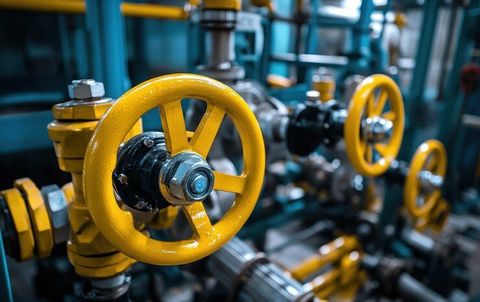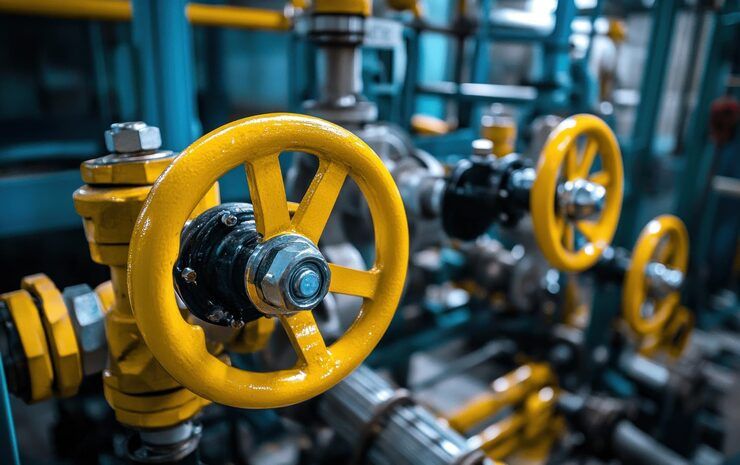
Industrial operations rely on a vast network of pipes, tanks, and machinery to manage fluids and gases. At the heart of this system are industrial valves, essential components that control, direct, or regulate the flow of liquids and gases.
In this article, we’ll explore what industrial valves are, the main types, and smart tips to ensure reliable operation.
What Are Industrial Valves?
Industrial valves are mechanical devices installed in pipelines to control the flow of substances. They can stop, start, regulate, or direct fluids and gases. Valves are found in nearly every sector, from water treatment and chemical processing to oil and gas pipelines.
Think of a valve like a traffic signal for a pipeline. Just as traffic lights manage the flow of vehicles, valves manage the flow of fluids, ensuring smooth and safe operation.
Why Industrial Valves Are Important
- Control and Regulation: They allow precise control over flow rates, pressure, and direction.
- Safety: In emergencies, valves can shut off systems quickly to prevent accidents.
- Efficiency: Properly maintained valves reduce leaks, minimize energy loss, and improve system performance.
- Longevity of Equipment: Regulating flow prevents damage to pumps, pipes, and other equipment.
Common Types of Industrial Valves
Industrial valves come in various designs, each suited for specific applications. Understanding the basics can help in selecting and maintaining the right valve.
1. Gate Valves
Gate valves are designed to start or stop the flow of fluid. They work like a sliding gate that moves up or down inside the valve body. When fully open, they offer minimal resistance to flow, making them ideal for on/off control in pipelines.
Example: Gate valves are often used in water supply lines where flow needs to be completely stopped or allowed.
2. Globe Valves
Globe valves are used for regulating flow rather than just stopping it. They feature a movable disc and a stationary ring, which allows precise throttling of fluids.
Example: In cooling systems, globe valves control the flow of water to maintain the desired temperature.
3. Ball Valves
Ball valves use a rotating ball with a hole through its center. When the hole aligns with the pipeline, fluid flows freely; turning the ball 90 degrees stops the flow. They are known for durability and quick operation.
Example: Ball valves are common in chemical processing where fast shut-off is required.
4. Butterfly Valves
Butterfly valves feature a rotating disc that regulates flow. They are lightweight, cost-effective, and suitable for large-diameter pipelines.
Example: Butterfly valves are widely used in water distribution systems and HVAC applications.
5. Check Valves
Check valves allow fluid to flow in one direction only, preventing backflow. They are automatic and do not require manual operation.
Example: Check valves protect pumps and compressors from damage caused by reverse flow.
6. Pressure Relief Valves
These valves release excess pressure automatically to prevent equipment failure or accidents. They are critical in systems handling gases or high-pressure fluids.
Example: In steam boilers, pressure relief valves ensure safe operation by preventing overpressure scenarios.
Smart Tips for Reliable Valve Operations
1. Regular Inspection
Inspect valves periodically for leaks, corrosion, and wear. Early detection can prevent unexpected failures.
Tip: Use visual checks along with performance testing to identify minor issues before they escalate.
2. Lubrication and Cleaning
Many valves, especially moving parts like stems and discs, need lubrication to function smoothly. Cleaning prevents buildup of sediment or chemical deposits that can impair operation.
Tip: Follow manufacturer guidelines for compatible lubricants to avoid damage.
3. Monitor Performance
Keep an eye on system pressure, flow rate, and temperature. Changes in these metrics may indicate a valve is not performing optimally.
Example: A sudden drop in flow might suggest a partially closed or obstructed valve.
4. Use the Right Valve for the Application
Selecting the correct valve type and material is crucial. Factors to consider include fluid type, pressure, temperature, and frequency of operation.
Example: Stainless steel valves resist corrosion in acidic environments, while bronze valves are suitable for freshwater systems.
5. Operate Slowly and Smoothly
Rapid opening or closing can cause water hammer, damaging the valve and pipeline. Smooth operation extends valve life.
Tip: Train staff to avoid forcing valves and use actuators when necessary for precision.
6. Keep Detailed Records
Maintain records of inspections, maintenance, and replacements. This helps identify patterns of wear and plan preventive measures.
Tip: Digital maintenance logs can improve tracking and forecasting of valve performance.
Real-Life Examples
Example 1: Water Treatment Plants
In water treatment plants, butterfly valves are often used for controlling flow in large pipelines. Regular cleaning and lubrication ensure consistent operation and prevent interruptions in water supply.
Example 2: Oil and Gas Industry
Ball valves are widely used in pipelines transporting crude oil. Monitoring pressure and flow, combined with routine inspection, helps prevent leaks and costly shutdowns.
Example 3: HVAC Systems
Globe valves regulate the flow of heating and cooling fluids. Proper operation ensures optimal indoor temperatures and energy efficiency.
Benefits of Proper Valve Management
Effective valve management improves operational efficiency and reduces risks:
- Reduced Downtime: Prevents unplanned shutdowns.
- Enhanced Safety: Minimizes accidents and environmental hazards.
- Cost Savings: Extends valve life and reduces replacement frequency.
- Improved System Performance: Ensures smooth and consistent flow.
By following the tips outlined above, facilities can maximize the value and reliability of their industrial valves.
Challenges in Industrial Valve Operations
- Corrosion and Wear: Harsh fluids or environments can damage valves.
- Complex Systems: Large facilities may have hundreds of valves, making monitoring difficult.
- Improper Operation: Incorrect handling can lead to mechanical failure or leaks.
Addressing these challenges through training, regular inspections, and smart valve selection is key to long-term reliability.
Future Trends in Industrial Valves
The future of industrial valves is leaning toward smart and automated solutions:
- IoT-Enabled Valves: Sensors can monitor performance in real-time and provide predictive maintenance alerts.
- Automation: Actuators and control systems enable precise remote operation.
- Advanced Materials: High-performance materials resist corrosion, extreme temperatures, and pressure, improving valve lifespan.
As industries adopt smart technologies, valves will become more reliable, efficient, and easier to manage.
Conclusion
Industrial valves are vital components in fluid and gas management systems. Understanding their types, functions, and best practices for operation ensures safety, efficiency, and longevity.
By performing regular inspections, selecting the right valves for the application, and adopting smart maintenance practices, industries can achieve reliable operations while minimizing risks. Whether in water treatment, oil and gas, or HVAC systems, proper valve management is the key to smooth and safe industrial processes.