Technology is becoming a natural part of everyday life, and homes are no exception. With the rise of AI in Smart Home Devices, daily tasks are getting easier, faster, and more convenient. From adjusting lights automatically to managing security systems, these devices are designed to make life smoother without requiring constant effort.
This guide will walk you through how smart AI devices work, their benefits, and simple ways to use them effectively in your home.
What Are Smart AI Home Devices?
Smart AI home devices are gadgets that use artificial intelligence to learn your habits and automate tasks. Unlike traditional electronics, these devices can adapt over time and respond to your preferences.
For example:
- A smart thermostat learns your daily schedule and adjusts temperature automatically.
- Voice assistants can answer questions, set reminders, and control other devices.
- Smart lighting systems adjust brightness based on the time of day.
The key idea is simple: your home becomes more responsive and personalized.
How AI Enhances Smart Homes
Learning Your Daily Routine
One of the biggest advantages of AI is its ability to learn patterns. Over time, your devices understand your habits.
For instance:
- Lights turn on when you usually wake up
- Music plays during your relaxation time
- Air conditioning adjusts before you arrive home
This reduces the need for manual control.
Voice and App Control
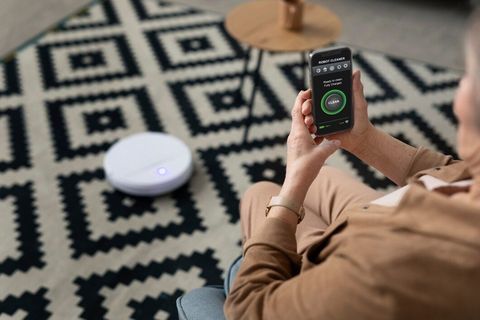
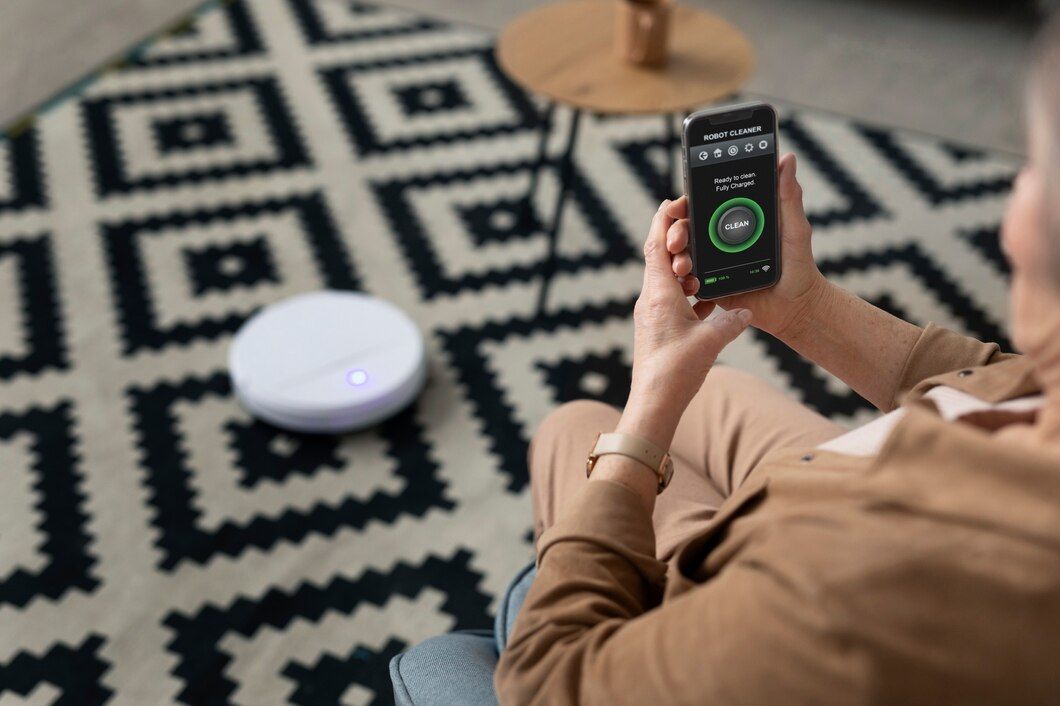
Most smart devices can be controlled through voice commands or mobile apps. This means you don’t need to physically interact with switches or buttons.
Example:
You can say, “Turn off the lights,” and your system responds instantly.
Automation and Scheduling
AI allows devices to work together through automation. You can create routines like:
- Morning routine: Lights on, curtains open, coffee machine starts
- Night routine: Doors lock, lights dim, alarms activate
This creates a seamless living experience.
Benefits of AI in Smart Home Devices
1. Convenience in Everyday Life
The biggest benefit is convenience. Tasks that once required effort now happen automatically.
Example:
Instead of adjusting lights manually, they adapt to your presence and time of day.
2. Improved Energy Efficiency
AI helps reduce unnecessary energy use by optimizing how devices operate.
- Lights turn off when no one is in the room
- Thermostats avoid overcooling or overheating
- Appliances run during efficient time periods
This not only saves energy but also promotes sustainable living.
3. Enhanced Home Security
Smart security systems powered by AI can detect unusual activity and send alerts.
Features include:
- Motion detection
- Smart cameras with facial recognition
- Automatic door locking
These systems help you stay aware of what’s happening at home, even when you’re away.
4. Personalized Experience
AI tailors your environment based on your preferences.
For example:
- Your favorite music plays when you enter a room
- Lighting adjusts to match your mood
- Temperature stays at your comfort level
This makes your home feel more intuitive and welcoming.
Popular Types of Smart AI Home Devices
Smart Speakers and Voice Assistants
These are often the central hub of a smart home. They allow you to control multiple devices using simple voice commands.
Common uses:
- Setting reminders
- Playing music
- Controlling lights and appliances
Smart Lighting Systems
Smart lights can change brightness, color, and timing automatically.
Practical example:
Lights dim in the evening to create a relaxing atmosphere.
Smart Thermostats
These devices learn your schedule and adjust temperature accordingly.
Example:
They reduce cooling when you’re not home and restore it before you return.
Smart Security Systems
Security devices include cameras, door sensors, and smart locks.
They can:
- Send alerts to your phone
- Record activity
- Allow remote access control
Smart Appliances
Modern appliances like refrigerators, washing machines, and ovens are becoming smarter.
They can:
- Suggest usage patterns
- Notify you when tasks are complete
- Operate based on your routine
Tips for Setting Up a Smart AI Home
Start Small
You don’t need to automate everything at once. Begin with a few essential devices like smart lights or a voice assistant.
This helps you understand how the system works before expanding.
Choose Compatible Devices
Make sure your devices can work together. Compatibility ensures smooth communication between systems.
Look for devices that support common platforms or ecosystems.
Focus on Daily Needs
Think about what tasks you want to simplify.
For example:
- If you often forget to turn off lights, start with smart lighting
- If temperature control is a concern, invest in a smart thermostat
Use Automation Wisely
Avoid overcomplicating your setup. Keep routines simple and practical.
Example:
A basic “Good Night” routine that turns off lights and locks doors is more useful than complex setups.
Maintain Privacy Settings
Since smart devices collect data, it’s important to review privacy settings.
Tips:
- Use strong passwords
- Enable two-factor authentication
- Regularly update device software
Real-Life Example of a Smart AI Home
Imagine this daily scenario:
Morning:
Your alarm goes off, lights gradually brighten, and your coffee machine starts automatically.
Afternoon:
Your thermostat adjusts to save energy while you're away.
Evening:
As you return home, lights turn on, and your favorite playlist starts.
Night:
Doors lock automatically, lights dim, and security systems activate.
This kind of automation reduces effort and enhances comfort without constant input.
Common Challenges and How to Overcome Them
Connectivity Issues
Smart devices rely on internet connectivity. Poor connection can affect performance.
Solution:
Use a stable and reliable Wi-Fi setup.
Device Compatibility Problems
Not all devices work together seamlessly.
Solution:
Research compatibility before adding new devices.
Learning Curve
New users may find smart systems confusing at first.
Solution:
Start simple and gradually explore advanced features.
Privacy Concerns
Some users worry about data security.
Solution:
Use trusted brands, update software regularly, and manage permissions carefully.
Future of AI in Smart Home Devices
The future of AI in Smart Home Devices looks promising. Devices are becoming smarter, more intuitive, and more connected.
Upcoming trends include:
- Better voice recognition
- Predictive automation based on behavior
- Improved energy management systems
- Seamless integration with wearable devices
Homes will continue to evolve into intelligent environments that respond instantly to user needs.
Conclusion
Smart AI home devices are transforming the way people live. They bring convenience, efficiency, and personalization into everyday routines.
By starting small, choosing the right devices, and focusing on practical needs, anyone can create a smart home that feels effortless and intuitive.
As technology continues to grow, these devices will become even more powerful, making modern living simpler and more comfortable than ever before.